


Ontario drivers don’t usually set out to “street race.” Most stunt driving allegations start with something more ordinary: an empty stretch of road late at night, a quick pass on the Gardiner, a heavy foot on the 401, or a moment of showing off that feels smaller than the charge that follows.
The problem is that Ontario treats alleged racing and stunts as a serious highway safety issue, with penalties that hit immediately. If you live in Toronto or anywhere in the GTA, you can go from “pulled over” to “no car, no licence” in the same traffic stop.
This guide explains what the law actually covers, what happens right away, and how people typically approach these cases when they are trying to protect their job, their insurance, and their ability to drive.
What Counts as Stunt Driving or Racing in Ontario?
Ontario’s definition is broader than most people expect. The key rules are set out in the Highway Traffic Act framework, including Ontario Regulation 455/07 (Races, Contests and Stunts).
A few of the common speed-based triggers include:
- 50 km/h or more over the limit when the posted limit is 80 km/h or more
- 40 km/h or more over the limit when the posted limit is under 80 km/h (this catches a lot of municipal roads in Toronto)
- Driving at 150 km/h or more, even if the posted limit is higher than a typical city street
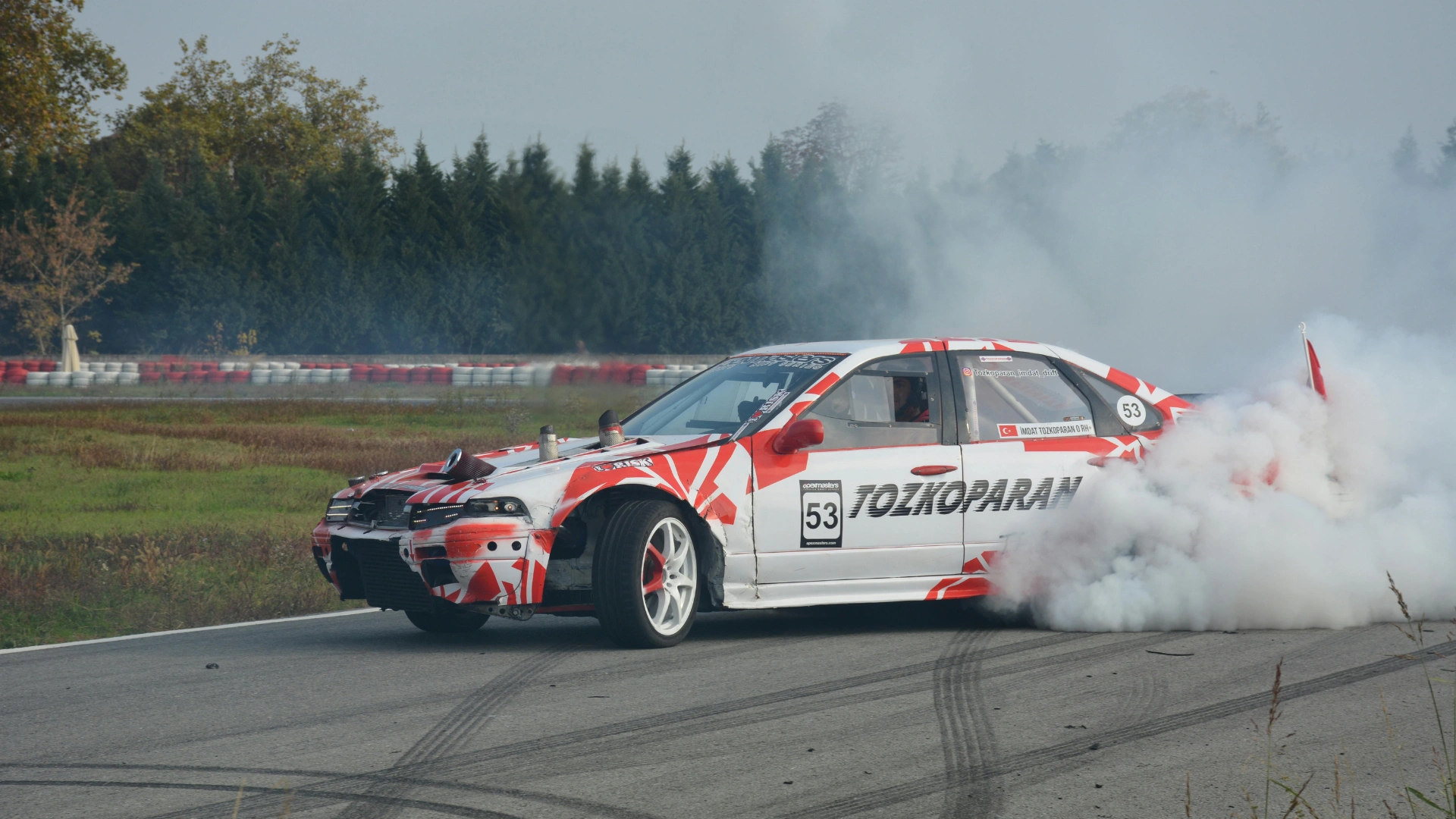
The regulation also covers conduct that police may interpret as a “stunt,” not just raw speed. Think loss of traction, aggressive maneuvers, or behaviour that looks like a contest.
That’s why two drivers accelerating side-by-side for a few seconds, or someone sliding around in a big parking lot, can end up facing the same category of allegation as someone who was intentionally racing.
Roadside Penalties for Stunt Driving and Racing Charges
For many Toronto drivers, the most painful part is not the court date. It’s the immediate impact.
Ontario’s official guidance is clear: if you are alleged to have been stunt driving or street racing, you can face an immediate 30-day driver’s licence suspension and an immediate 14-day vehicle impoundment.
Those roadside consequences are a life disruption:
- You may not be able to commute, work shifts, or drive kids to school.
- You could be stuck paying towing and storage fees while your car sits in impound.
- If it is not your vehicle (a family car, a work truck, a rental), you now have a separate problem with the owner.
Ontario increased these roadside penalties as part of reforms that took effect July 1, 2021.
The Court Side: What You Are Really Trying to Avoid
The roadside suspension and impound end on their own timeline. The longer-term risk is what happens if you are convicted, or if the charge is not handled carefully.
People usually worry about four things:
A longer licence suspension
Stunt driving convictions can lead to further suspensions beyond the roadside period. The exact outcome depends on the case and the driver’s record, but the takeaway is simple: the court result can hurt far longer than 30 days.
Insurance shock
Even when a case does not end the way the driver hoped, the insurance impact can be the most expensive part. Drivers often feel it for years, not months.
Employment fallout
If you drive for work, hold a commercial role, need to cross the border regularly, or rely on a clean record for professional licensing, the stakes go up fast.
The “racing” label
Plenty of drivers feel misunderstood, especially when there was no other car involved. But the wording of the allegation matters because it frames how the incident is interpreted.
Ontario Racing Lawyers and Why These Cases Are Not “Just Speeding”
If you are searching for Ontario racing lawyers, you are probably not looking for generic advice. You want to know what can actually be done when your licence is already suspended, and your vehicle is already gone.
Here’s the practical reality: these cases live or die on details. Not vibes.
Common pressure points include:
- How speed was measured (device type, testing, notes, and whether the reading can be challenged)
- What the officer actually observed versus what was assumed
- Whether the location matters (a 40-over allegation on a 60 road in Toronto is treated differently than a highway scenario because the definition changes under 80 km/h)
- Disclosure quality (what evidence exists, and what is missing)
A good defence is rarely about a dramatic courtroom moment. It is usually about methodical work that forces the case to prove itself.
What You Can Do Right After a Stunt Driving Stop in Toronto
You do not need to talk yourself into trouble to be cooperative. After a stop:
- Write down what you remember as soon as you can: where you were, traffic conditions, weather, whether there were other vehicles nearby, and what the officer said.
- Preserve anything time-stamped, like a location history or receipts, if they help establish where you were and when.
- Do not “fix” the story later. Inconsistent explanations create avoidable issues.
Also, do not miss deadlines. In Toronto, after receiving an Offence Notice, you generally have 15 days to choose a path: pay, request a meeting with the prosecutor (early resolution), or request a trial.
“Will I Automatically Lose my Licence?”
You can lose it at the roadside (temporarily) right away, and then the court outcome is a separate risk. The roadside suspension and impoundment are part of Ontario’s immediate enforcement approach for these allegations.
That split is exactly why drivers feel panicked: the punishment starts before you have had a chance to properly respond.
How a Stunt Driving Defence is Usually Built
A stunt driving defence is usually built around evidence and legal definitions, not just sympathy. One angle might be speed measurement reliability. Another might be whether the facts truly fit the regulation’s definition of a “stunt” in the first place.
And sometimes the most important work is procedural: forcing complete disclosure, identifying gaps, and negotiating from a position of strength.
FAQs on Racing and Stunt Driving Charges
Is “40 over” really stunt driving on Toronto roads?
It can be, depending on the posted limit. Under Ontario’s regulation, 40 km/h or more applies where the speed limit is less than 80 km/h, which covers many city and suburban roads.
Why did they take my car if it’s my partner’s or my employer’s?
Ontario’s roadside impoundment applies even if the motor vehicle is not owned by the driver, which is one reason these cases can create immediate family or workplace conflict.
Do I have to go to court right away?
Not always “right away,” but you do have deadlines to respond to the ticket or summons. In Toronto, the city’s court information explains the standard options and the 15-day timeline after an Offence Notice.
What should I bring to a lawyer or paralegal on day one?
Your ticket or summons, any paperwork from the impound, your recollection of the stop, and a clear picture of what you need to protect (work driving, insurance, a clean record, a household vehicle). The earlier your attorney or legal representative can request disclosure and start shaping the strategy, the better.
Treat the First 30 Days Like the First Move of Your Case
A stunt driving allegation in Ontario is not a “deal with it later” ticket. The 30-day roadside suspension and 14-day impoundment are designed to hit immediately, before you have a chance to catch your breath.
If you are in Toronto or elsewhere in Ontario, the smartest next step is to treat the situation like a real legal problem, because that is exactly how the law treats it. Gather your facts, watch your deadlines, and get proper advice early.
The decisions you make in the first week often shape what is possible months later, including whether you can keep driving and move forward without this charge hanging over your record.
(And yes, this is why people look for Ontario racing lawyers when they are trying to protect their licence, their job, and their future.)